
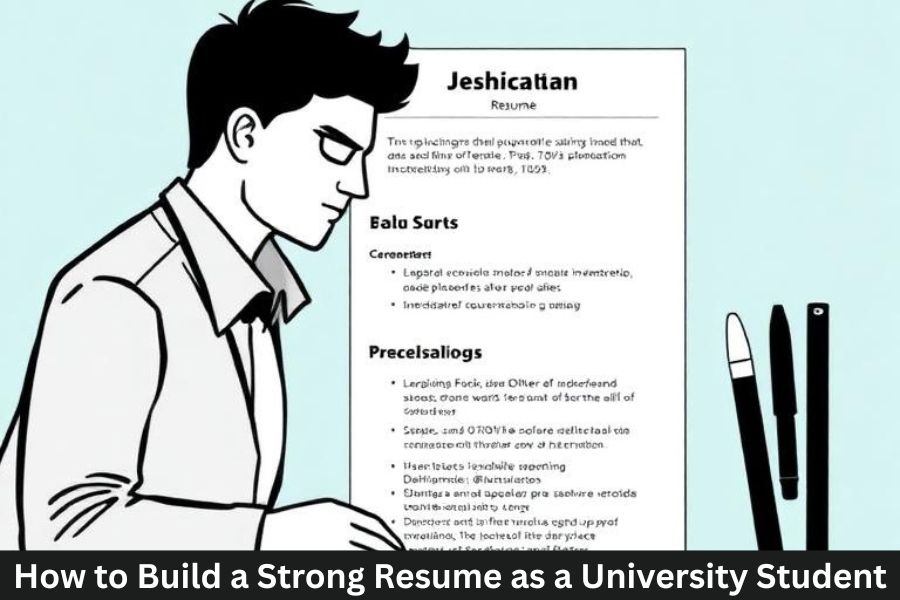
Let’s be honest—building a resume as a university student can feel intimidating. You might think, “I don’t have enough experience. What am I supposed to write?” The good news? You don’t need years of work history to create a strong resume. You just need to present what you do have in the right way.
Think of your resume as your personal billboard. You’ve got one page to grab attention and say, “Hey, I’m worth a closer look.”
Why Your Resume Matters Early
Starting early gives you a huge advantage. A solid resume helps you land internships, part-time jobs, scholarships, and even leadership roles on campus. The earlier you build it, the easier it becomes to improve over time.
Resume as Your Personal Marketing Tool
Your resume isn’t a list of duties—it’s a story. It shows who you are, what you can do, and what you’re capable of becoming.
Understanding What Employers Look For
Skills Over Grades
Yes, grades matter—but they’re not everything. Employers care more about skills like communication, problem-solving, adaptability, and teamwork.
Potential, Attitude, and Willingness to Learn
As a student, employers don’t expect perfection. They want curiosity, motivation, and a positive attitude. Your resume should reflect that.
Choosing the Right Resume Format
Chronological Resume Format
This format lists your education and experience in reverse order. It’s great if you already have internships or work experience.
Functional Resume Format
A functional resume focuses on skills rather than experience. This works well if you have limited work history.
Combination Resume Format
This format blends skills and experience, making it ideal for most university students.
Which Format Is Best for Students?
For most students, the combination format hits the sweet spot—skills first, experience second.
Writing a Powerful Resume Summary
What Is a Resume Summary?
A resume summary is a short paragraph at the top that highlights your strengths, skills, and career goals.
How to Write a Student-Focused Summary
Keep it simple and clear. Mention your field of study, key skills, and what you’re aiming for. Think of it as your elevator pitch.
Highlighting Your Education Effectively
What to Include in the Education Section
List your degree, university name, expected graduation date, and major. That’s the foundation.
Including Academic Achievements
GPA, Honors, and Awards
If your GPA is strong or you’ve earned honors, include them proudly. Achievements show dedication and discipline.
Showcasing Skills the Smart Way
Technical Skills
These include software, tools, programming languages, or lab techniques related to your field.
Soft Skills
Communication, leadership, teamwork, and problem-solving are just as important.
How to Prove Skills Without Work Experience
Use examples from projects, group work, volunteering, or campus activities to back up your skills.
Adding Internships and Work Experience
Internships, Part-Time Jobs, and Freelance Work
Every experience counts. Even a part-time job shows responsibility and time management.
Writing Strong Bullet Points
Using Action Verbs and Results
Start with action verbs like developed, managed, or assisted. Focus on what you achieved, not just what you did.
Including Projects and Practical Experience
Academic Projects
Class projects demonstrate problem-solving and teamwork. Describe what you did and what tools you used.
Personal and Passion Projects
Built a website? Ran a blog? Designed an app? Personal projects show initiative and creativity.
Extracurricular Activities and Leadership
Clubs, Societies, and Sports
Being active outside the classroom shows balance and social skills.
Leadership Roles and Responsibilities
Leadership roles—formal or informal—prove you can take charge and work with others.
Certifications, Courses, and Online Learning
Professional Certifications
Certifications boost credibility and show commitment to learning.
Online Courses and Workshops
Platforms like Coursera or Udemy can strengthen your resume when aligned with your career goals.
Tailoring Your Resume for Each Job
Reading Job Descriptions Carefully
Job descriptions are gold mines. They tell you exactly what employers want.
Customizing Keywords and Skills
Adjust your resume to match the job posting. This increases your chances of getting shortlisted.
Resume Design and Formatting Tips
Keeping It Clean and Professional
Avoid flashy designs. Simple, clean layouts work best.
Font, Spacing, and Length
One-Page Rule for Students
Stick to one page. Recruiters appreciate clarity and brevity.
Common Resume Mistakes to Avoid
Typos and Grammar Errors
Even one typo can hurt your chances. Proofread carefully.
Irrelevant Information
Leave out personal details that don’t add value, like hobbies unrelated to the job.
Using Technology to Improve Your Resume
Resume Builder Tools
Online tools can help with layout and formatting, especially for beginners.
Applicant Tracking Systems (ATS)
Many companies use ATS software. Use keywords to ensure your resume gets noticed.
Getting Feedback and Improving Continuously
Career Centers and Mentors
University career centers are gold—use them.
Peer Review and Practice
Ask friends or seniors to review your resume. Fresh eyes catch mistakes you might miss.
Conclusion
Building a strong resume as a university student isn’t about having everything figured out—it’s about showing potential, effort, and growth. Start early, keep improving, and treat your resume like a living document. With the right approach, your resume won’t just open doors—it’ll invite opportunities in.
Frequently Asked Questions
1. Can I build a resume without work experience?
Yes. Focus on skills, projects, education, and extracurricular activities.
2. How long should a student resume be?
One page is ideal for university students.
3. Should I include my GPA?
Include it if it’s strong or required by the employer.
4. How often should I update my resume?
Update it every semester or after any new achievement.
5. Are resume templates safe to use?
Yes, as long as they are simple, professional, and ATS-friendly.