


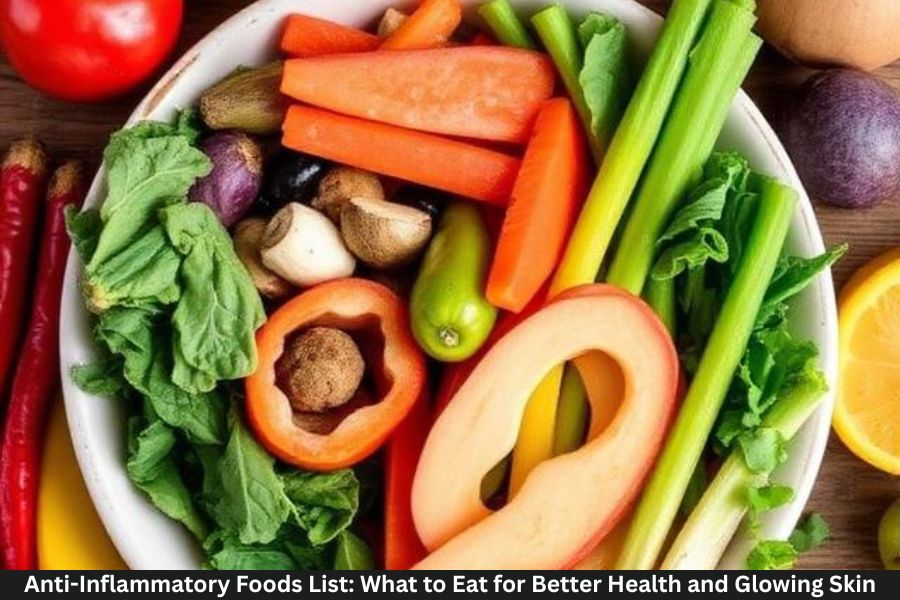
Ever feel bloated, tired, or notice your skin just doesn’t glow like it used to? That dullness might not be about skincare—it could be inflammation waving a red flag from the inside. Inflammation is like a small fire in your body. When it’s controlled, it protects you. When it burns nonstop, it damages everything from your gut to your skin.
The good news? Your plate can be your most powerful anti-inflammatory tool. Let’s dive into the foods that calm inflammation, boost overall health, and give your skin that natural glow everyone’s chasing.
What Is Inflammation and Why It Matters
Acute vs Chronic Inflammation
Acute inflammation is short-term and helpful—like when you get a cut and it heals. Chronic inflammation, though, sticks around like an uninvited guest. It quietly damages tissues and fuels conditions like acne, joint pain, heart disease, and premature aging.
How Inflammation Affects Your Body and Skin
Chronic inflammation disrupts hormones, slows digestion, and increases oxidative stress. On your skin, it shows up as redness, breakouts, dryness, and fine lines.
Hidden Signs of Chronic Inflammation
- Persistent fatigue
- Brain fog
- Digestive issues
- Stubborn skin problems
If these sound familiar, your diet might be the missing link.
The Connection Between Diet, Inflammation, and Skin Health
How Food Influences Inflammatory Responses
Highly processed foods act like gasoline on a fire. Whole, nutrient-dense foods? They’re the firefighters. Antioxidants, healthy fats, and fiber all work together to reduce inflammatory markers in the body.
Gut Health and Skin Glow
Your gut and skin are best friends. A healthy gut reduces inflammation, balances hormones, and improves nutrient absorption—all crucial for clear, glowing skin.
Inflammation and Premature Aging
Inflammation accelerates collagen breakdown, leading to wrinkles and sagging. Anti-inflammatory foods help protect your skin’s structure from the inside out.
Benefits of an Anti-Inflammatory Diet
Improved Overall Health
Reducing inflammation lowers the risk of chronic diseases like diabetes, heart disease, and autoimmune disorders.
Clearer, Healthier Skin
Less inflammation means fewer breakouts, reduced redness, and a brighter complexion.
Better Energy and Mood
When inflammation drops, energy levels rise, brain fog lifts, and mood stabilizes.
Top Anti-Inflammatory Foods List
Fruits That Fight Inflammation
- Berries (blueberries, strawberries, raspberries)
- Oranges
- Cherries
- Pomegranates
These are packed with antioxidants that neutralize free radicals.
Vegetables With Powerful Anti-Inflammatory Properties
- Leafy greens (spinach, kale)
- Broccoli
- Bell peppers
- Beets
Think of veggies as your body’s internal cleaning crew.
Healthy Fats and Oils
- Extra virgin olive oil
- Avocados
- Nuts
- Seeds
Healthy fats help lower inflammatory markers and support skin hydration.
Herbs and Spices With Healing Power
- Turmeric
- Ginger
- Garlic
- Cinnamon
Small amounts, big impact.
Best Anti-Inflammatory Foods for Glowing Skin
Fatty Fish
Salmon, sardines, and mackerel are rich in omega-3 fatty acids that reduce redness and support skin elasticity.
Avocados
Loaded with healthy fats and antioxidants, avocados keep skin soft and supple.
Nuts and Seeds
Walnuts, chia seeds, and flaxseeds support skin repair and reduce inflammation.
Hydrating Foods for Skin Health
Cucumbers, watermelon, and oranges hydrate skin from within, improving texture and glow.
Anti-Inflammatory Foods for Gut Health
Fermented Foods
Yogurt, kefir, kimchi, and sauerkraut introduce beneficial bacteria that calm gut inflammation.
Fiber-Rich Foods
Whole grains, legumes, fruits, and vegetables feed good gut bacteria and reduce inflammation.
Prebiotics vs Probiotics
Prebiotics feed bacteria; probiotics add them. You need both for a balanced gut.
Foods That Reduce Inflammation Naturally
Whole Grains
Oats, quinoa, and brown rice stabilize blood sugar and reduce inflammatory spikes.
Legumes
Beans and lentils provide plant-based protein and fiber that fight inflammation.
Green Tea
Rich in polyphenols, green tea acts like a soothing balm for your cells.
Foods to Avoid That Increase Inflammation
Processed Foods
Ultra-processed snacks and fast food disrupt gut health and trigger inflammation.
Added Sugars
Sugar fuels inflammation and accelerates skin aging.
Refined Carbohydrates
White bread and pastries spike blood sugar and worsen inflammation.
Trans Fats and Excess Alcohol
These damage cells and increase inflammatory responses throughout the body.
Anti-Inflammatory Diet for Skin Conditions
Acne
Reducing sugar and dairy while increasing omega-3s can calm breakouts.
Eczema
Anti-inflammatory fats and gut-friendly foods help reduce flare-ups.
Psoriasis
Foods rich in antioxidants and omega-3s support skin healing and reduce inflammation.
Anti-Inflammatory Foods for Weight Management
Blood Sugar Control
Stable blood sugar reduces inflammation and supports fat loss.
Reducing Cravings Naturally
Fiber and healthy fats keep you full and prevent inflammation-driven cravings.
How to Build an Anti-Inflammatory Meal Plan
Simple Daily Food Swaps
- Olive oil instead of vegetable oil
- Fruit instead of dessert
- Whole grains instead of refined carbs
Sample Anti-Inflammatory Day of Eating
- Breakfast: Oatmeal with berries and nuts
- Lunch: Salmon salad with olive oil dressing
- Dinner: Lentils, veggies, and quinoa
Portion Control and Balance
Balance matters. No need for perfection—consistency wins.
Lifestyle Habits That Enhance Anti-Inflammatory Effects
Sleep and Stress Management
Poor sleep and stress increase inflammation fast. Prioritize rest.
Exercise and Movement
Moderate, regular movement lowers inflammation long-term.
Hydration Matters
Water flushes toxins and supports skin health.
Common Myths About Anti-Inflammatory Diets
It’s Too Restrictive
It’s not about restriction—it’s about smarter choices.
Results Take Too Long
Many people notice better digestion and skin within weeks.
Supplements Can Replace Food
Supplements help, but real food does the heavy lifting.
Conclusion: Eat Smart, Glow Naturally
Inflammation doesn’t show up overnight—and it doesn’t disappear overnight either. But with the right anti-inflammatory foods, you can heal from the inside out. Better digestion, clearer skin, more energy—it all starts with what’s on your plate. Eat smart, stay consistent, and let your glow speak for itself.
FAQs
1. What is the most anti-inflammatory food?
Fatty fish like salmon and antioxidant-rich berries rank among the best.
2. How long does it take to see results from an anti-inflammatory diet?
Many people notice improvements within 2–4 weeks.
3. Can anti-inflammatory foods improve skin glow?
Yes, they reduce redness, support hydration, and slow aging.
4. Is coffee inflammatory?
In moderation, coffee can be anti-inflammatory due to antioxidants.
5. Do I need supplements on an anti-inflammatory diet?
Not always. Whole foods usually provide enough nutrients.