

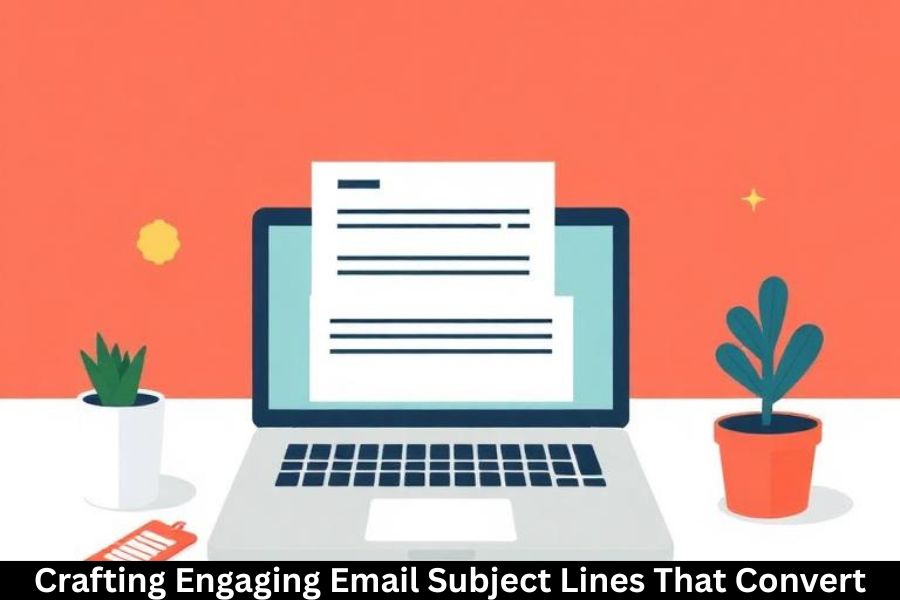
Email marketing can be a goldmine for business growth—but only if people actually open your emails. And the first impression starts with your subject line. It’s the small line of text that decides if your email gets attention or ends up in the trash. Let’s dive into how to craft subject lines that grab attention and drive conversions.
Understanding the Importance of Email Subject Lines
Why Subject Lines Matter
The subject line is your email’s handshake—it can make or break your open rates. No matter how amazing your content is, if the subject line is boring, it might never be read.
Impact on Open Rates
Studies show that 35% of recipients open emails based solely on the subject line. Imagine throwing all your hard work away just because of a dull headline!
First Impressions in Email Marketing
Think of it like dating. If your subject line doesn’t hook someone, there’s no chance for a deeper connection. Your subject line is that first glance—it must sparkle.
Key Elements of a High-Converting Subject Line
Clarity Over Cleverness
While witty subject lines can be fun, clarity often wins. Your reader should instantly know what they’ll get by opening your email.
Personalization and Relevance
Use the recipient’s name or reference their interests. Personalized subject lines can increase open rates by 26%.
Creating a Sense of Urgency
Words like “now,” “limited,” or “today only” encourage readers to act immediately.
Using Numbers and Statistics
Numbers catch attention. “5 Tips to Boost Your Email Open Rate” is more compelling than “Tips to Boost Your Email Open Rate.”
Types of Email Subject Lines
Promotional Subject Lines
These are designed to drive sales or offers. Examples include discounts, bundle deals, or limited-time offers.
Newsletter Subject Lines
Keep it informative and engaging. Highlight the main benefit readers will get from your content.
Event-Based Subject Lines
Use these to promote webinars, workshops, or live events. Include dates and key benefits.
Re-engagement Subject Lines
Target inactive subscribers with “We Miss You!” or “Still Interested?” to reignite interest.
Psychological Triggers in Subject Lines
Curiosity and Intrigue
Pique curiosity without being misleading. “You Won’t Believe What Happens Next…” can work if the content delivers value.
Fear of Missing Out (FOMO)
Limited-time offers or exclusive access create urgency. People hate feeling left out!
Humor and Surprise
A funny or unexpected subject line can make your email stand out in a crowded inbox.
Social Proof and Authority
Highlight endorsements, reviews, or statistics to build credibility. “Join 10,000 Others Who Already Signed Up!”
Personalization Strategies
Using First Names
Simple yet effective. “Sarah, Here’s a Deal Just for You” feels personal and direct.
Segmenting Audiences
Send content relevant to each audience segment to increase engagement.
Behavioral-Based Personalization
Use past purchase behavior, browsing history, or clicks to tailor subject lines. It shows you know your audience.
Testing and Optimizing Subject Lines
A/B Testing Basics
Test different subject lines with a portion of your audience and see which performs best.
Metrics to Track
Open rate, click-through rate, and conversion rate are key indicators.
Iterative Improvements
Use data to refine future subject lines. Even small tweaks can boost performance significantly.
Common Mistakes to Avoid
Misleading Subject Lines
Don’t promise what you can’t deliver—it damages trust.
Overusing Capital Letters and Emojis
Excessive capitalization and emojis can look spammy and decrease trust.
Ignoring Mobile Optimization
Most emails are opened on mobile. Make sure your subject line is short and readable.
Tools and Resources for Crafting Subject Lines
Subject Line Analyzers
Use tools like CoSchedule or Mailchimp to score your subject line for engagement potential.
AI-Powered Tools
AI can suggest subject lines based on your content and audience.
Competitive Analysis
Look at competitors’ subject lines for inspiration—but never copy.
Integrating Subject Lines With Email Content
Aligning Expectation and Content
The subject line should reflect what’s inside. Misalignment frustrates readers.
Call-to-Action Synergy
A strong subject line paired with a clear CTA boosts conversion.
Consistent Tone and Voice
Your subject line should match your brand’s personality and tone.
Case Studies of High-Converting Subject Lines
E-commerce Examples
“Your Favorite Sneakers Are Back in Stock!” – urgency + personalization.
SaaS Product Launches
“Get Early Access to Our New Productivity Tool” – exclusivity + curiosity.
Nonprofit Campaigns
“See How Your Donation Made an Impact” – social proof + emotional trigger.
Scaling Email Campaign Success
Creating Templates That Work
Once you know what works, create reusable templates for consistency.
Maintaining Engagement Over Time
Keep subject lines fresh and relevant. Avoid repetitive phrasing.
Seasonal and Event-Based Optimization
Leverage holidays, events, and seasons to capture attention.
Future Trends in Email Subject Lines
AI-Powered Personalization
AI can predict the most effective subject line for each recipient.
Interactive Email Experiences
New formats include polls, GIFs, and countdown timers in subject lines.
Predictive Analytics for Open Rates
Machine learning can optimize timing and content for maximum engagement.
Conclusion
Crafting email subject lines that convert isn’t about luck—it’s about understanding your audience, leveraging psychological triggers, testing constantly, and staying relevant. With consistent effort, your subject lines can dramatically improve open rates, click-throughs, and ultimately conversions.
FAQs
1. How long should an email subject line be?
Keep it under 50 characters for mobile readability. Shorter lines are easier to scan quickly.
2. Can emojis increase open rates?
Yes, if used sparingly and relevantly. They can add personality but avoid overuse.
3. How often should I test subject lines?
Test every campaign or at least weekly if sending frequently. Continuous testing improves results.
4. Should I include my brand name in the subject line?
Include it selectively—if your brand is recognizable, it can increase trust; otherwise, focus on value first.
5. What’s the biggest mistake in subject lines?
Being misleading or vague. Always set clear expectations to build trust and engagement.