

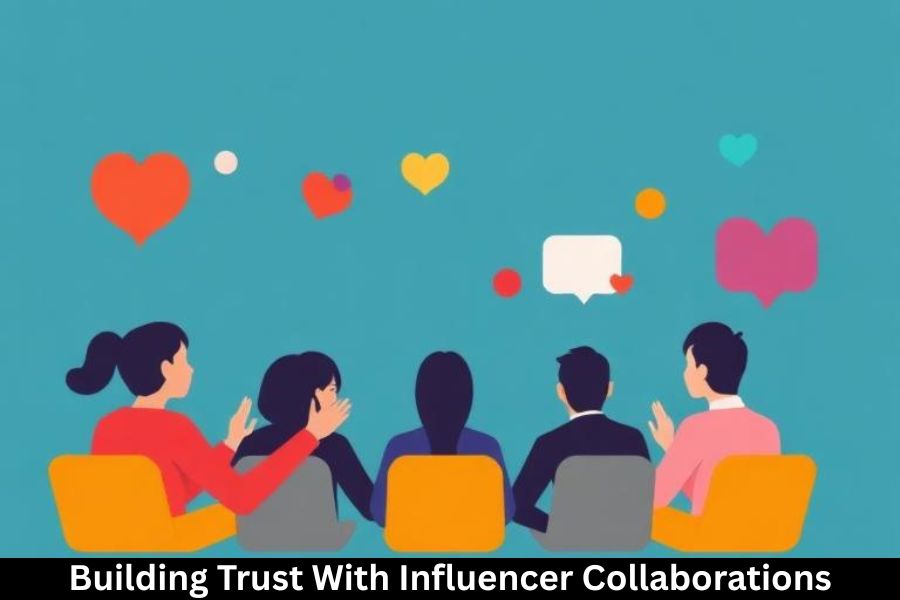
Let’s face it—people are tired of being sold to. They scroll past ads faster than you can say “sponsored post.” But here’s the twist: they still listen to people they trust. That’s where influencer collaborations shine—or fail. Trust isn’t a nice-to-have anymore; it’s the backbone of every successful influencer partnership.
If influencer marketing is the bridge between brands and consumers, trust is the steel holding it together. Without it, everything collapses.
Understanding Trust in Influencer Marketing
What Trust Really Means in Digital Marketing
Trust means believing that a recommendation is genuine, not forced. It’s when audiences feel the influencer would still use the product even if the camera was off.
Why Trust Is the Currency of Influencer Collaborations
Algorithms change. Platforms rise and fall. Trust? That’s timeless. Trust turns views into clicks, clicks into sales, and buyers into loyal fans.
Trust vs Reach: What Matters More
A smaller audience that trusts deeply will outperform a massive audience that doesn’t care. Always.
Why Trust Is Critical for Influencer Success
Consumer Skepticism in the Social Media Age
People are smarter now. They can smell fake promotions a mile away. If something feels off, trust evaporates instantly.
How Trust Impacts Engagement and Conversions
Trusted influencers see higher:
- Engagement rates
- Click-through rates
- Conversion rates
Trust is the multiplier effect.
Long-Term Brand Equity Through Trust
Brands that prioritize trust don’t just win sales—they build reputations that last.
Choosing the Right Influencers to Build Trust
Value Alignment Between Brand and Influencer
If your brand values sustainability, but the influencer promotes fast fashion daily, trust breaks instantly. Alignment isn’t optional.
Audience Fit and Relevance
It’s not about numbers. It’s about relevance. Are their followers your customers?
Authenticity Checks Before Collaboration
Review old posts. Check comments. Look for consistency. Authenticity leaves clues.
Types of Influencers and Trust Levels
Nano Influencers and Community Trust
Nano influencers have tight-knit communities. Their recommendations feel like advice from a friend.
Micro Influencers as Trusted Experts
Micro influencers often position themselves as specialists. Their authority builds natural trust.
Macro Influencers and Mass Trust
Big reach, lower intimacy—but still powerful when authenticity is maintained.
Matching Influencer Type With Brand Goals
Trust-building campaigns often work best with nano and micro influencers.
Transparency as the Foundation of Trust
Honest Disclosures and FTC Compliance
Clear disclosures don’t reduce trust—they increase it. Transparency shows respect.
Clear Expectations and Agreements
Contracts prevent confusion. Everyone should know deliverables, timelines, and boundaries.
Transparency With the Audience
Honesty builds credibility. Secrets destroy it.
Building Trust With Influencers Themselves
Treating Influencers as Partners, Not Ads
Influencers aren’t billboards. They’re creators with voices, values, and communities.
Fair Compensation and Respect
Pay fairly. Respect their time. Trust starts internally.
Creative Freedom Builds Better Content
Rigid scripts kill authenticity. Let creators speak in their own voice.
Creating Authentic Influencer Content
Storytelling Over Selling
Stories connect emotionally. Sales copy doesn’t.
Real Experiences Beat Scripted Ads
Audiences trust lived experiences, not rehearsed lines.
Consistency in Messaging
Inconsistent messaging confuses audiences and weakens trust.
Audience Trust and Social Proof
Leveraging Comments, Reviews, and DMs
Positive conversations in comments build credibility fast.
User-Generated Content and Trust Signals
Real users sharing real experiences amplify trust organically.
Community Engagement Strategies
Replying, liking, and acknowledging followers shows authenticity.
Long-Term Influencer Relationships
One-Off Campaigns vs Ongoing Partnerships
Consistency builds familiarity—and familiarity builds trust.
Brand Ambassador Programs
Ambassadors feel genuine because the relationship is real and ongoing.
Trust Compounds Over Time
The longer the partnership, the stronger the trust.
Influencer Vetting for Brand Safety
Reviewing Past Content and Behavior
Past behavior predicts future risk. Always check.
Spotting Fake Followers and Engagement
Fake engagement kills trust instantly. Use tools and manual checks.
Risk Management Strategies
Have guidelines, contracts, and crisis plans ready.
Measuring Trust in Influencer Campaigns
Engagement Quality Metrics
Look beyond likes. Comments, saves, and shares matter more.
Sentiment Analysis
Positive sentiment = trust. Negative sentiment = warning sign.
Trust-Based KPIs
Brand mentions, repeat engagement, and audience loyalty indicate trust.
Common Mistakes That Break Trust
Over-Scripting Influencers
Scripted content feels fake. Audiences notice.
Mismatched Partnerships
Wrong influencer, wrong message, wrong outcome.
Ignoring Audience Feedback
Feedback is a gift. Ignoring it damages credibility.
Rebuilding Trust After a Failed Collaboration
Owning Mistakes Publicly
Silence destroys trust. Honesty restores it.
Course-Correcting With Transparency
Explain changes clearly. People respect accountability.
Lessons Learned for Future Campaigns
Every failure teaches how to build stronger trust next time.
Future of Trust in Influencer Marketing
Rise of Authentic and Value-Driven Creators
Audiences are choosing real voices over polished perfection.
Community-Led Influence
Smaller communities with deeper trust will dominate.
Trust as a Competitive Advantage
Brands that prioritize trust will win long-term.
Conclusion: Trust Is Built, Not Bought
You can’t fake trust. You can’t rush it. And you definitely can’t buy it. Trust in influencer collaborations comes from alignment, honesty, respect, and consistency. Build it brick by brick, and your influencer partnerships won’t just convert—they’ll last.
FAQs
1. Why is trust important in influencer collaborations?
Because trust drives engagement, credibility, and conversions.
2. How can brands ensure influencer authenticity?
By vetting content history, engagement quality, and value alignment.
3. Do disclosures reduce trust?
No. Transparency actually increases trust.
4. Are long-term influencer partnerships better?
Yes. Trust strengthens over time with consistency.
5. Can trust be rebuilt after a failed campaign?
Absolutely—through honesty, accountability, and better alignment.