

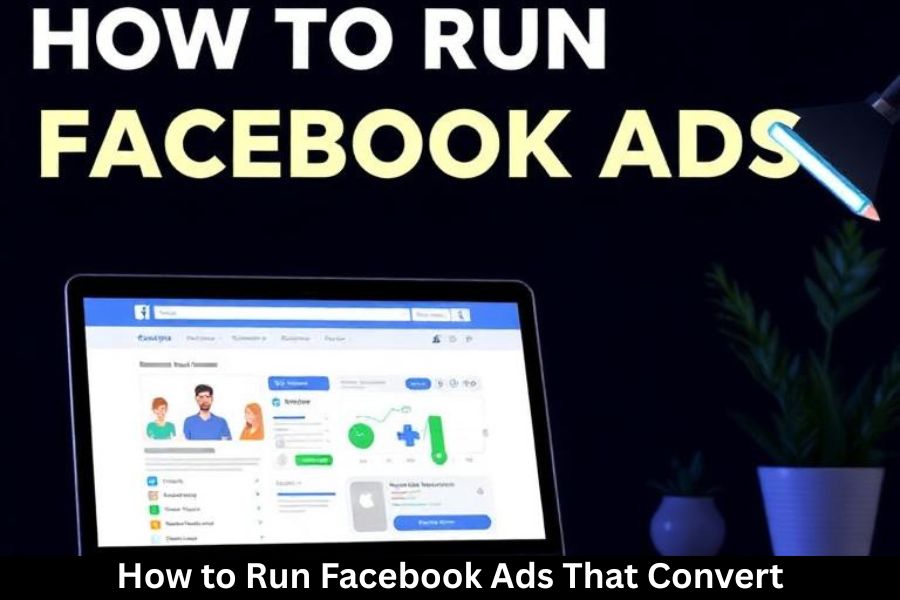
Running Facebook ads can feel like trying to hit a moving target. One day your ad crushes it, the next it flops. The secret isn’t magic—it’s strategy. When done right, Facebook ads can skyrocket your leads, sales, and brand awareness. Let’s break it down step by step.
Understanding Facebook Ads
What Are Facebook Ads?
Facebook ads are paid posts that appear in users’ feeds, stories, or sidebars. They can promote products, services, events, or even content. Essentially, it’s your brand saying, “Hey, notice me!”
Why Facebook Ads Are Effective
With over 3 billion users across Facebook, Instagram, and Messenger, the reach is massive. Plus, Facebook’s targeting tools let you show your ads only to people who matter most.
Reach, Targeting, and Engagement
It’s not just about how many people see your ad—it’s about showing it to the right people, at the right time, with the right message.
Setting Clear Goals for Your Ads
Awareness, Consideration, Conversion
Ads can have three primary goals:
- Awareness – Letting people know your brand exists.
- Consideration – Encouraging engagement or clicks.
- Conversion – Driving sales, sign-ups, or leads.
Defining KPIs and Success Metrics
Your KPIs depend on your goals: CTR for awareness, lead form completions for consideration, purchases for conversion campaigns.
Aligning Ads With Business Objectives
Every ad should tie back to a business goal. If it doesn’t, it’s just noise.
Knowing Your Audience
Creating Buyer Personas
Who’s your ideal customer? Age, gender, interests, habits—define them in detail.
Using Facebook Audience Insights
This tool helps you understand demographics, behavior, and preferences.
Custom and Lookalike Audiences
Custom audiences target existing customers, while lookalikes help you find people similar to them.
Crafting High-Converting Ad Copy
Attention-Grabbing Headlines
Your headline should hook them in less than 3 seconds. Ask a question or promise a benefit.
Engaging Ad Text
Keep it short, clear, and focused on benefits rather than features. Imagine talking to a friend.
Strong Call-to-Actions
“Shop Now,” “Sign Up,” or “Learn More”—tell users exactly what you want them to do.
Designing Eye-Catching Visuals
Images vs Videos
Video often outperforms images, but sometimes a strong image can stop the scroll just as effectively.
Using Design Tools for Ads
Tools like Canva, Photoshop, or Figma help create professional-looking ads without breaking the bank.
Maintaining Brand Consistency
Colors, fonts, and messaging should match your brand to build recognition and trust.
Choosing the Right Ad Format
Carousel Ads
Show multiple products or features in a single ad. Great for storytelling.
Single Image Ads
Simple, clean, and effective for one clear message.
Video Ads
Best for engagement and explaining complex products.
Collection and Slideshow Ads
Good for e-commerce and interactive storytelling.
Budgeting and Bidding Strategies
Daily vs Lifetime Budget
Daily budgets give flexibility, while lifetime budgets optimize spending over time.
Automatic vs Manual Bidding
Automatic is beginner-friendly; manual gives you control to reduce cost per result.
Optimizing for Cost-Per-Result
Track what drives actual conversions, not just clicks.
Using Facebook Pixel for Conversions
What is Facebook Pixel?
A small code on your website that tracks visitor behavior and conversions.
Tracking Conversions and Events
See which ads lead to purchases, sign-ups, or downloads.
Retargeting Strategies
Target visitors who didn’t convert the first time—they’re warm leads waiting to buy.
Testing and Optimizing Ads
A/B Testing for Headlines and Images
Test small variations to see what resonates best.
Split Testing Audiences
Different segments respond differently—don’t assume one size fits all.
Analyzing Metrics and Iterating
Use data to improve continuously. Ads aren’t “set it and forget it.”
Common Mistakes to Avoid
Ignoring Targeting Options
Broad targeting wastes money. Be specific.
Overcomplicating Ad Copy
Short, clear messages outperform long-winded text.
Neglecting Mobile Optimization
Most users are on mobile—ads must look perfect on small screens.
Leveraging Retargeting Campaigns
Why Retargeting Works
People need multiple touchpoints before buying. Retargeting reminds them why they cared in the first place.
Strategies for Retargeting Past Visitors
Offer discounts, show product demos, or provide free resources to warm leads.
Using Dynamic Product Ads
Automatically show products users viewed on your site. Highly effective for e-commerce.
Scaling Ads That Perform
Gradually Increasing Budget
Don’t double your budget overnight. Scale slowly to maintain performance.
Expanding Audience Segments
Once you know what works, test similar audiences for more reach.
Monitoring Frequency and Fatigue
If users see your ad too often, engagement drops. Rotate creatives to stay fresh.
Integrating Facebook Ads With Other Marketing Channels
Email Marketing and Facebook Ads
Use ads to build email lists or nurture existing subscribers.
Content Marketing Synergy
Promote blog posts, guides, or videos to strengthen your funnel.
Cross-Channel Analytics
Track performance across platforms to see the full picture.
Staying Updated With Facebook Ad Trends
Algorithm Changes
Facebook changes its algorithm often—stay informed to avoid wasted ad spend.
Emerging Ad Features
New ad formats or targeting options can give early adopters an edge.
Leveraging New Formats Early
Test features before competitors to stand out.
Conclusion
Running Facebook ads that convert takes strategy, testing, and patience. Understand your audience, craft compelling messages, use the right visuals, track conversions, and continuously optimize. Do this consistently, and you’ll turn clicks into loyal customers.
FAQs
1. How much should I spend on Facebook ads?
Start small, test, and scale gradually. Focus on ROI, not just spend.
2. How do I know if my ad is converting?
Use Facebook Pixel and track conversions like purchases, sign-ups, or downloads.
3. What type of Facebook ad works best?
It depends on your goal—carousel for storytelling, video for engagement, single image for simplicity.
4. Can I run successful ads with a small budget?
Yes! Proper targeting, high-quality creatives, and A/B testing can maximize small budgets.
5. How often should I refresh my ads?
Every 1–2 weeks for top-performing ads to prevent audience fatigue.