

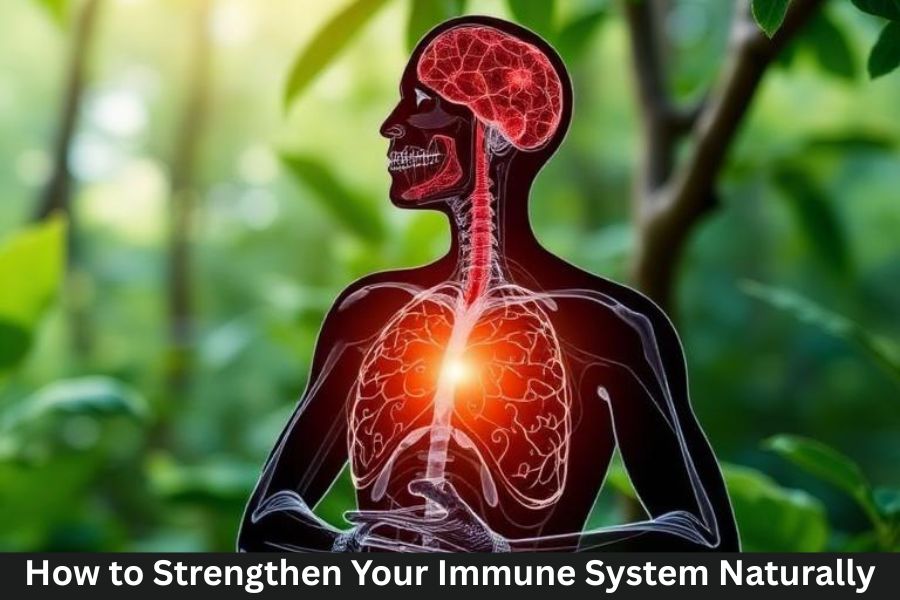
Your immune system is like a 24/7 security team working behind the scenes to protect your body. Every breath you take, every surface you touch, your immune system is on patrol. The problem? Modern life—stress, poor sleep, processed food—often leaves this security team understaffed and underpaid.
The good news is that you don’t need fancy treatments or miracle pills to support your immunity. Small, consistent lifestyle choices can make a massive difference. Let’s break down how to strengthen your immune system naturally, in a way that actually fits into real life.
Understanding the Immune System
What Is the Immune System?
The immune system is a complex network of cells, tissues, and organs that work together to defend your body against harmful invaders like bacteria, viruses, and toxins. Think of it as your body’s internal army—smart, adaptive, and constantly learning.
How the Immune System Works
Innate Immunity
This is your first line of defense. It includes your skin, mucous membranes, and immune cells that respond quickly to threats. It’s fast, but not very specific.
Adaptive Immunity
This is the immune system’s memory bank. It learns from past infections and creates targeted responses. This is why you usually don’t get the same illness twice in the same way.
Why a Strong Immune System Matters
Protection Against Infections
A strong immune system helps your body fight off infections before they take hold. You may still get sick, but symptoms are often milder and shorter.
Faster Recovery and Healing
Good immunity speeds up recovery, whether it’s from a cold, a cut, or a tough workout. Your body repairs itself more efficiently.
Long-Term Health Benefits
Chronic inflammation and weak immunity are linked to many long-term health issues. Supporting your immune system is an investment in your future health.
Nutrition and Immune Health
The Role of a Balanced Diet
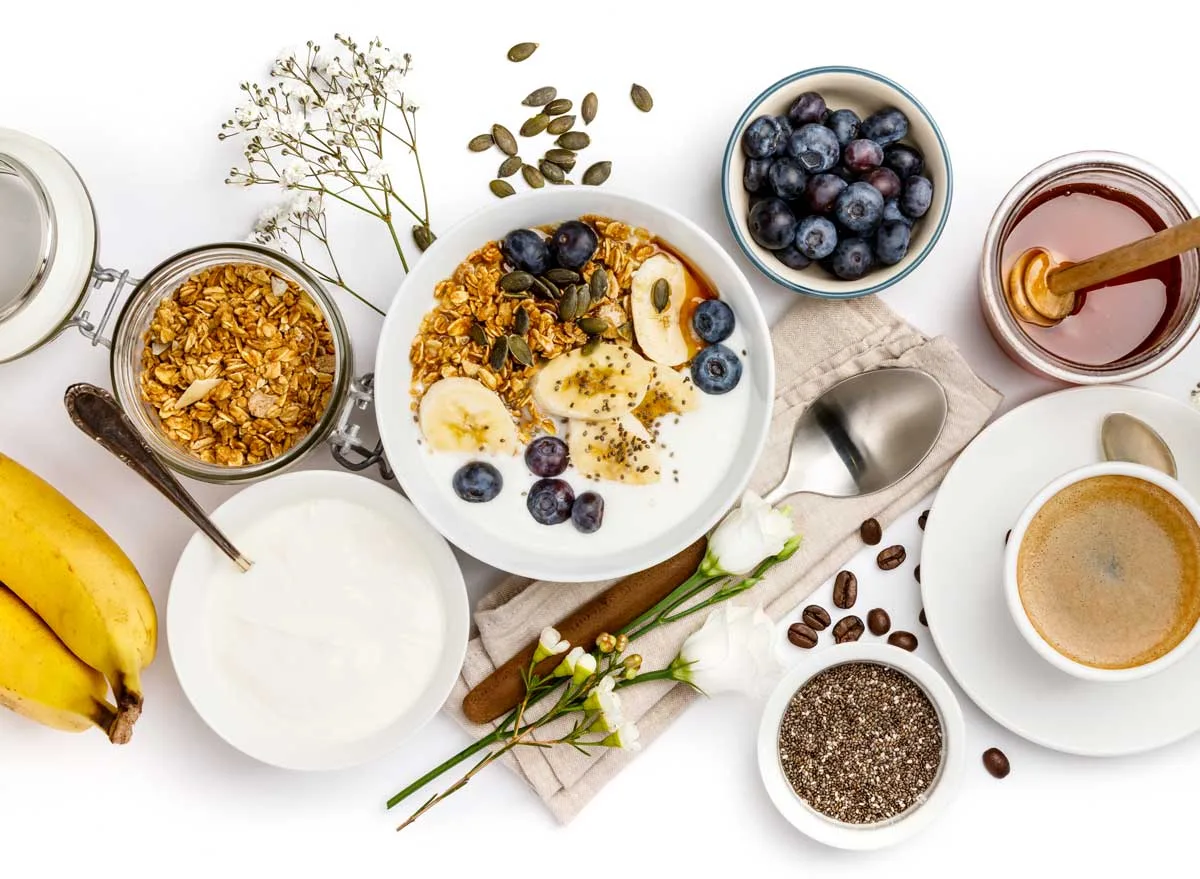
Food isn’t just fuel—it’s information for your immune cells. A diet rich in whole foods provides the vitamins, minerals, and antioxidants your immune system needs to function properly.
Essential Vitamins for Immunity
Vitamin C
Vitamin C supports white blood cell function and acts as an antioxidant. Citrus fruits, bell peppers, and strawberries are excellent sources.
Vitamin D
Often called the “sunshine vitamin,” vitamin D plays a key role in immune regulation. Low levels are linked to increased infections.
Vitamin A and E
Vitamin A supports the integrity of skin and mucous membranes, while vitamin E protects immune cells from oxidative damage.
Important Minerals for Immune Support
Zinc
Zinc is essential for immune cell development and communication. Even mild deficiency can weaken immune response.
Selenium
This mineral helps reduce inflammation and supports antioxidant defense systems.
Immune-Boosting Foods
Fruits and Vegetables
Colorful fruits and vegetables are packed with antioxidants. The more colors on your plate, the better your immune support.
Protein-Rich Foods
Protein provides the building blocks for immune cells. Eggs, fish, lean meats, legumes, and nuts are all excellent choices.
Healthy Fats
Omega-3 fatty acids help regulate inflammation. Fatty fish, flaxseeds, and walnuts are immune-friendly options.
Fermented Foods and Probiotics
Yogurt, kefir, sauerkraut, and kimchi support gut health, which is directly linked to immunity.
Hydration and Immune Function
Why Water Is Essential
Water helps transport nutrients, flush toxins, and maintain healthy mucous membranes—your body’s first defense barrier.
Herbal Teas and Natural Drinks
Ginger tea, green tea, and turmeric drinks provide hydration plus anti-inflammatory benefits.
Sleep and Immunity
How Sleep Affects Immune Cells
During sleep, your body releases cytokines—proteins that help fight infections. Lack of sleep reduces this protective response.
Tips for Better Sleep Naturally
Stick to a consistent schedule, limit screen time before bed, and create a calming nighttime routine.
Exercise and Physical Activity
How Exercise Strengthens Immunity
Moderate exercise boosts circulation, allowing immune cells to move efficiently throughout the body.
Best Types of Exercise for Immune Health
Walking, cycling, strength training, and yoga all support immune function without overstressing the body.
Avoiding Overtraining
Too much intense exercise can weaken immunity. Balance is key.
Stress and Its Impact on Immunity
How Chronic Stress Weakens the Immune System
Stress increases cortisol, which suppresses immune activity. Long-term stress keeps your immune system stuck in low gear.
Natural Stress-Reduction Techniques
Meditation, deep breathing, journaling, and spending time in nature can significantly lower stress levels.
Gut Health and Immunity
The Gut-Immune Connection
About 70% of your immune system resides in your gut. A healthy gut equals a stronger immune response.
Improving Gut Health Naturally
Eat fiber-rich foods, include probiotics, and reduce excessive sugar and processed foods.
Sunlight and Vitamin D
How Sunlight Supports Immunity
Sunlight triggers vitamin D production, which enhances immune cell function and reduces inflammation.
Safe Sun Exposure Tips
Short daily exposure—10 to 20 minutes depending on skin tone—is usually sufficient.
Natural Herbs and Supplements
Common Immune-Boosting Herbs
Garlic, ginger, turmeric, echinacea, and elderberry have long been used to support immune health.
When Supplements Are Helpful
Supplements can help fill gaps, but they should support—not replace—a healthy lifestyle.
Lifestyle Habits That Weaken Immunity
Smoking and Alcohol
Smoking damages immune cells, while excessive alcohol disrupts immune signaling.
Poor Diet and Sedentary Lifestyle
Highly processed foods and inactivity create inflammation and weaken immune defenses.
Building a Sustainable Immune-Healthy Lifestyle
Daily Habits That Make a Difference
Small actions—like drinking water, moving your body, and eating whole foods—add up over time.
Consistency Over Perfection
You don’t need to be perfect. Consistency beats intensity when it comes to immune health.
Conclusion
Strengthening your immune system naturally isn’t about quick fixes or magic solutions. It’s about supporting your body the way it was designed to function—through good nutrition, quality sleep, movement, stress management, and healthy habits. When you treat your immune system well, it shows up for you when you need it most. Think of it as a partnership: you support your body daily, and it protects you for life.
Frequently Asked Questions (FAQs)
1. Can I boost my immune system quickly?
You can support it quickly with sleep, hydration, and nutrition, but long-term strength comes from consistency.
2. Does exercise really improve immunity?
Yes, moderate exercise enhances immune cell circulation and reduces inflammation.
3. Are immune supplements necessary?
Not always. A healthy diet often provides what you need, but supplements can help if you’re deficient.
4. How much sleep is ideal for immune health?
Most adults need 7–9 hours of quality sleep per night.
5. Can stress alone weaken my immune system?
Absolutely. Chronic stress can significantly suppress immune function.